


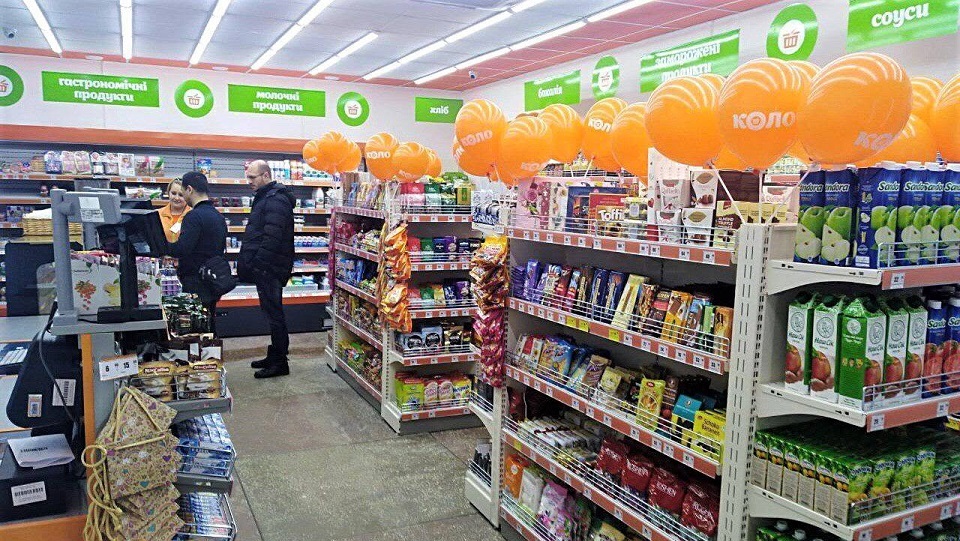
In a significant development for Ukraine’s retail sector, the Antimonopoly Committee has approved a major acquisition that will reshape the competitive landscape of the country’s grocery market. The regulatory body has granted permission for LLC “Omega” to acquire controlling interest in LLC “Aritail,” effectively allowing the Varus supermarket chain to take over the Kolo network of stores. This transaction marks one of the most substantial consolidation moves in Ukrainian retail in recent years, signaling a new phase of market concentration amid challenging economic conditions.
Details of the Acquisition and Regulatory Approval
The Antimonopoly Committee of Ukraine, the country’s primary competition regulator, carefully reviewed the proposed transaction before granting its approval. The committee’s decision indicates that the merger does not pose significant threats to market competition or consumer welfare. LLC “Omega,” which operates the Varus retail brand, will now assume control over LLC “Aritail,” the legal entity behind the Kolo chain of grocery stores. The exact financial terms of the deal have not been publicly disclosed, though industry analysts suggest the transaction value could be substantial given Kolo’s market presence.
Varus, headquartered in Dnipro, has established itself as one of Ukraine’s leading retail chains, operating primarily in the eastern and central regions of the country. The company has built a reputation for offering a wide range of products at competitive prices, with a focus on fresh groceries and household essentials. By acquiring Kolo, Varus is strategically expanding its footprint and strengthening its position against major competitors in the Ukrainian retail market.
Market Context and Strategic Implications
The Ukrainian retail market has undergone significant transformation in recent years, driven by changing consumer preferences, economic pressures, and the ongoing conflict that has disrupted supply chains and altered shopping patterns across the country. The sector has seen increased consolidation as larger players seek economies of scale and stronger bargaining positions with suppliers. This acquisition fits into a broader trend of market concentration, where well-capitalized retail chains are absorbing smaller competitors to enhance their market share and operational efficiency.
The Kolo retail chain, while smaller than Varus, has maintained a loyal customer base and strategic store locations that make it an attractive acquisition target. The integration of Kolo’s operations into the Varus network is expected to create synergies in procurement, logistics, and marketing. Industry experts suggest that such consolidation can lead to improved supply chain management, better pricing for consumers, and enhanced product availability. However, critics of market concentration warn that reduced competition could eventually lead to higher prices and fewer choices for shoppers in affected regions.
Historical Background of Retail Consolidation in Ukraine
Ukraine’s retail sector has evolved dramatically since the country’s independence in 1991. The early years saw the emergence of numerous small and medium-sized retail operations, often family-owned businesses serving local communities. As the economy developed and consumer spending increased, larger retail formats began to dominate, with supermarket and hypermarket chains expanding rapidly throughout the 2000s and 2010s. International retailers also entered the market, bringing modern retail practices and intensifying competition.
The economic challenges of recent years, including currency fluctuations, inflation, and the impact of military conflict, have accelerated consolidation trends. Smaller retailers have struggled to maintain profitability amid rising costs and supply disruptions, making them vulnerable to acquisition by larger, more resilient competitors. The Varus-Kolo deal represents a continuation of this pattern, as financially stronger market participants capitalize on opportunities to expand through strategic acquisitions rather than organic growth alone.
Future Outlook for Ukraine’s Retail Sector
Looking ahead, industry observers anticipate further consolidation in Ukraine’s retail market as companies seek to build scale and resilience in an uncertain economic environment. The successful integration of Kolo into the Varus network will be closely watched as a potential model for future transactions. Key factors influencing the sector’s trajectory include consumer spending trends, infrastructure development, regulatory policies, and the broader geopolitical situation. For consumers, the immediate impact may include changes in store branding, product assortments, and loyalty programs as the newly combined entity optimizes its operations and market positioning.
Expert Opinion: This acquisition signals a maturing of Ukraine’s retail sector, where scale and operational efficiency become critical competitive advantages. As consolidation continues, we can expect the top five retail players to control an increasingly dominant share of the market within the next three to five years. The key challenge for regulators will be balancing market efficiency gains against the need to preserve meaningful competition and protect consumer interests in regional markets.