



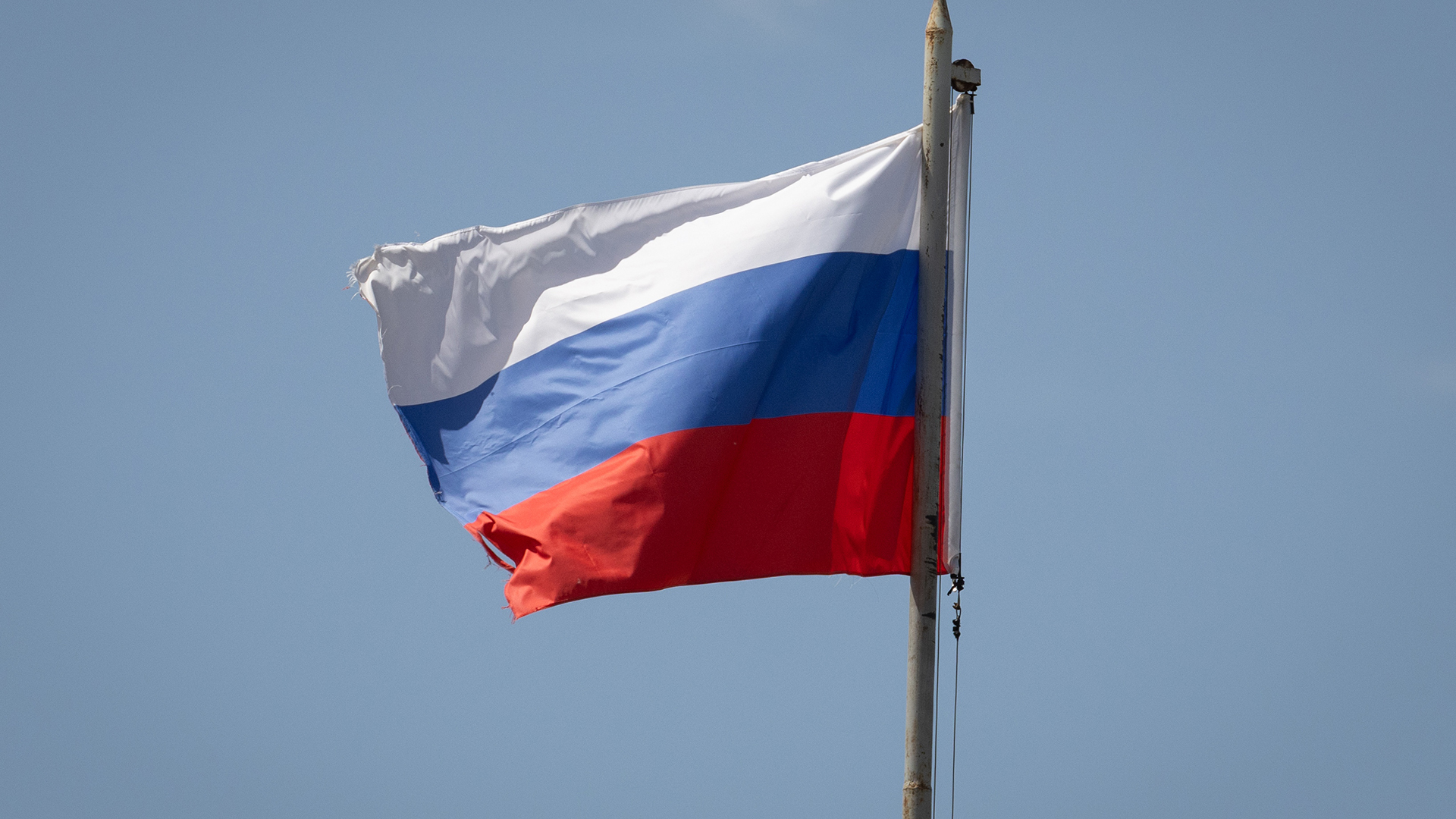
Russia’s wealthiest citizens are increasingly seeking new ways to transfer their assets out of the country amid growing fears of potential government confiscation. According to a recent Bloomberg report, Russian billionaires have successfully moved tens of billions of dollars abroad over the past year, representing one of the largest capital flight episodes in the country’s recent history. This massive outflow of wealth reflects the deepening uncertainty among Russia’s economic elite about their financial security within the country’s borders.
The Growing Fear of Asset Seizure
The primary driver behind this unprecedented capital flight appears to be the fear that the Kremlin may move to confiscate private wealth to fund various state objectives. Russian authorities have shown an increasing willingness to pressure wealthy individuals, particularly those who have fallen out of favor with the government or who are perceived as insufficiently supportive of state policies. This has created a climate of anxiety among the ultra-rich, prompting many to seek safe havens for their fortunes in jurisdictions beyond Moscow’s reach.
The phenomenon is not entirely new in Russian history. Following the collapse of the Soviet Union in 1991, there were several waves of capital flight as newly minted oligarchs sought to protect their rapidly acquired wealth. However, the current exodus appears to be different in scale and motivation. Unlike previous episodes driven primarily by economic instability, today’s capital flight is largely driven by political concerns and the unpredictable nature of state-business relations in contemporary Russia.
Methods and Destinations of Wealth Transfer
Russian billionaires have employed increasingly sophisticated methods to move their wealth abroad. Traditional offshore financial centers such as Switzerland, Cyprus, and the British Virgin Islands remain popular destinations, but new jurisdictions have emerged as alternatives. The United Arab Emirates, particularly Dubai, has become a favored destination for Russian capital, offering a combination of political neutrality, favorable tax treatment, and a welcoming attitude toward foreign investment. Turkey and various Central Asian countries have also seen increased inflows of Russian money.
The methods used to transfer assets have evolved significantly in response to international sanctions and increased regulatory scrutiny. Cryptocurrency transactions, complex corporate structures involving multiple shell companies, and real estate investments in friendly jurisdictions have all been utilized. Some wealthy Russians have reportedly turned to trusted intermediaries and family members who are not subject to sanctions to hold assets on their behalf. Financial experts estimate that tracking these flows has become increasingly difficult, making the true scale of capital flight potentially even larger than reported figures suggest.
Economic Implications for Russia
The massive outflow of capital carries significant implications for the Russian economy. When wealthy individuals move their money abroad, it reduces the pool of investment capital available for domestic businesses and development projects. This capital flight also puts pressure on the Russian ruble and complicates the central bank’s efforts to maintain economic stability. Economists have noted that sustained capital outflows of this magnitude can lead to reduced economic growth, decreased job creation, and a general slowdown in business activity.
The Russian government has implemented various measures to stem the tide of capital flight, including stricter currency controls and requirements for businesses to convert foreign currency earnings into rubles. However, these measures have had limited success in preventing determined wealthy individuals from moving their assets abroad. Some analysts suggest that the government faces a difficult balancing act: implementing controls strict enough to prevent capital flight while avoiding measures so draconian that they further alienate the business community and accelerate the exodus.
Historical Context and Future Outlook
Russia has experienced several episodes of significant capital flight since the fall of the Soviet Union. The financial crisis of 1998, the global financial crisis of 2008, and the sanctions imposed following events in 2014 all triggered substantial outflows. However, the current wave appears to be driven more by fundamental concerns about the long-term security of private property in Russia rather than short-term economic conditions. This suggests that reversing the trend may require more than economic stabilization measures.
Looking ahead, financial analysts expect the capital flight to continue as long as wealthy Russians perceive significant risks to their domestic assets. The international community’s response to Russian capital seeking safe haven abroad has been mixed, with some jurisdictions welcoming the investment while others implementing restrictions. The long-term implications for both the Russian economy and the global financial system remain uncertain, but the scale of current wealth transfers suggests that the consequences will be felt for years to come.
Expert Opinion: The current wave of Russian capital flight represents a fundamental crisis of confidence among the country’s economic elite in the security of their domestic holdings. Unlike previous episodes driven by currency crises or sanctions, this exodus reflects deeper structural concerns about property rights and state-business relations. If the Kremlin cannot restore trust among its wealthy citizens, Russia may face a prolonged period of reduced domestic investment and economic stagnation, regardless of other economic policies implemented.