



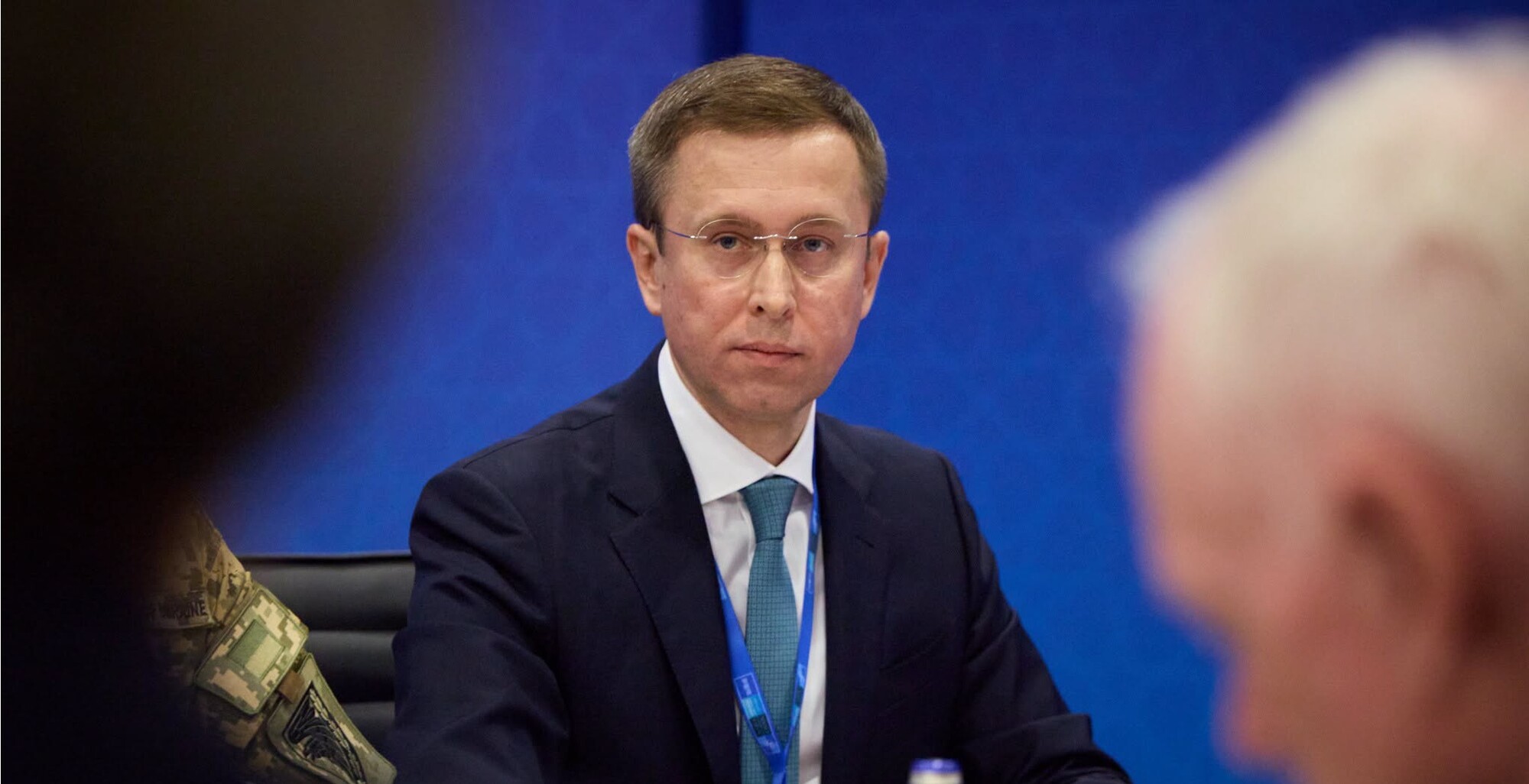
Ukraine’s newly appointed Prime Minister has wasted no time in establishing continuity in the country’s critical international financial partnerships. In his first official international communication since taking office, Prime Minister Koretskyi reached out to representatives of the International Monetary Fund to discuss the ongoing cooperation and the anticipated disbursement of the next financial tranche. The swift move signals Ukraine’s commitment to maintaining stable relationships with international financial institutions despite the recent governmental transition.
According to official statements, the change in Ukraine’s government will not affect the country’s cooperation with the International Monetary Fund, with the second tranche expected to be disbursed as early as next week. This reassurance is crucial for Ukraine’s economic stability, as IMF funding represents a cornerstone of the nation’s financial strategy during these challenging times.
IMF Partnership: A Lifeline for Ukraine’s Economy
The International Monetary Fund has been a critical partner for Ukraine, particularly since the escalation of geopolitical tensions in the region. The IMF’s Extended Fund Facility program for Ukraine, approved in 2023, represents one of the largest financial support packages in the institution’s history, totaling approximately $15.6 billion over four years. These funds are designed to help Ukraine maintain macroeconomic stability, support essential government services, and lay the groundwork for post-conflict reconstruction.
The disbursement of IMF tranches is contingent upon Ukraine meeting specific reform benchmarks and maintaining fiscal discipline. These conditions typically include improvements in governance, anti-corruption measures, energy sector reforms, and maintaining appropriate monetary policies. The fact that the upcoming tranche remains on schedule suggests that Ukraine has continued to meet these requirements despite the political changes at the top of its government structure.
Ensuring Continuity Amid Political Transition
Prime Minister Koretskyi’s immediate outreach to the IMF demonstrates a sophisticated understanding of international financial diplomacy and the importance of maintaining investor and creditor confidence during governmental transitions. Political changes in recipient countries often create uncertainty among international financial institutions, as new leadership may bring different policy priorities or approaches to reform commitments. By proactively communicating with the IMF, Koretskyi has effectively minimized any potential disruption to the funding timeline.
This approach reflects lessons learned from previous governmental transitions in various countries, where delays in communication or unclear policy signals have sometimes led to postponed disbursements or renegotiated terms. Ukraine’s current economic situation, compounded by ongoing military expenditures and the need for reconstruction financing, makes uninterrupted access to international funding absolutely essential for the country’s stability and resilience.
Looking Ahead: Economic Challenges and Opportunities
The expected disbursement next week will provide Ukraine with crucial resources to continue funding essential services and maintaining economic stability. Beyond the immediate financial injection, the continued partnership with the IMF sends a positive signal to other international donors and investors about Ukraine’s creditworthiness and commitment to reform. This is particularly important as the country seeks to mobilize additional resources from bilateral partners, the World Bank, and the European Union.
As Ukraine navigates both its immediate challenges and longer-term reconstruction needs, the relationship with international financial institutions will remain paramount. Prime Minister Koretskyi’s first international call being directed to the IMF underscores the strategic priority placed on these partnerships and suggests that economic stability and international cooperation will be central pillars of the new government’s agenda. The successful continuation of the IMF program will be closely watched by international observers as an indicator of Ukraine’s institutional resilience and reform trajectory.
Expert Opinion: The new Prime Minister’s immediate engagement with the IMF represents a textbook example of crisis-period governance transition management. This proactive approach should help Ukraine maintain its current $15.6 billion program without interruption, which is essential given that IMF support often serves as a catalyst for additional bilateral and multilateral financing. Looking ahead, the real test will be whether the new government can accelerate structural reforms while managing wartime pressures, as future tranches will depend on continued progress toward governance and anti-corruption benchmarks.